







War, yes. Crisis, no. And that is precisely the problem.
Published on March 31, 2026 by Jean-Marc Sylvestre

Cabinet ARC
102-104 Avenue Edouard Vaillant
92100 BOULOGNE BILLANCOURT

Cabinet ARC,a debt collection firm, assists you with all cases ofunpaid invoices andlate payments that jeopardize your cash flow, as well as with the management of your accounts receivable.Get prompt payment of amounts owed by your debtorsand optimize your debt collection efforts with our innovative techniques.
The rating given by our clients for the quality of our services is 8.5/10
*Excluding PC

Jean-Marc Sylvestre, a prominent figure in the economy, has passed away
It is with deep sadness that we learned of his passing. We wish to pay tribute to him and sincerely thank him for all these years of close collaboration, trust, and professionalism that have marked our relationship. We will remember him as an upright, deeply human man whose trust and friendship meant a great deal.
We extend our most sincere condolences to his family and loved ones.

The Minister of the Economy, Finance, and Industrial, Energy, and Digital Sovereignty analyzes the results of the June 2026 “ Cabinet ARC ”–IFOP Barometer.

French companies continue to face an unprecedented lack of visibility: our 2026 “ Cabinet ARC ” Barometer—conducted by IFOP—shows that cash flow management remains a top concern for business leaders. Payment terms continue to lengthen, reaching a 12-year high. Kérine Tran, Managing Director of the “ Cabinet ARC ,” presents the key findings of the barometer.
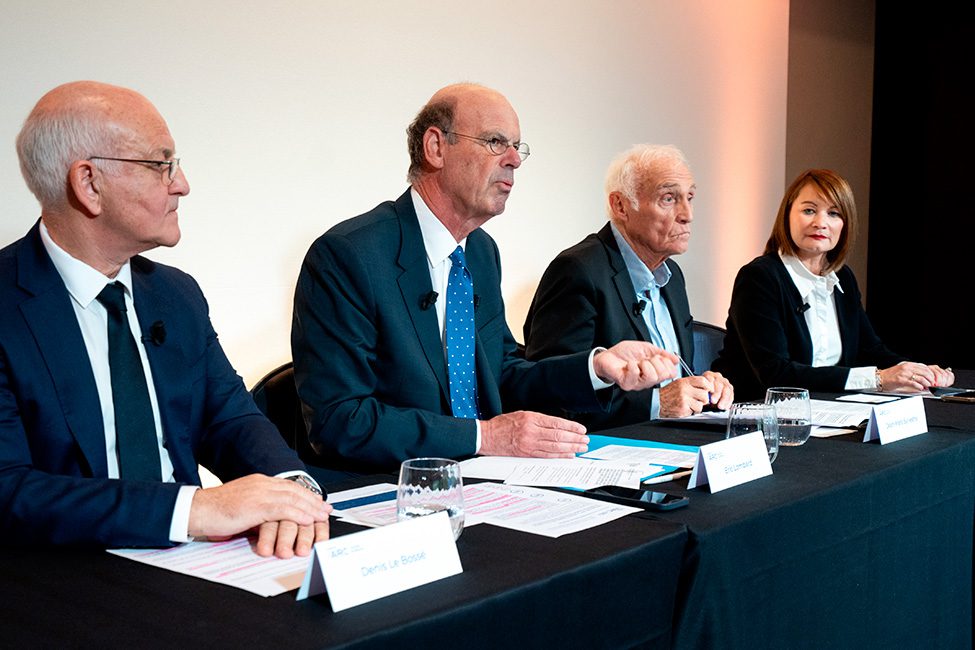
Éric Lombard, Minister for Economy and Finance, was the guest speaker at our latest breakfast debate held on Thursday, May 15.
Hosted by Jean-Marc Sylvestre, the Minister discussed the core theme: How can we restore growth?
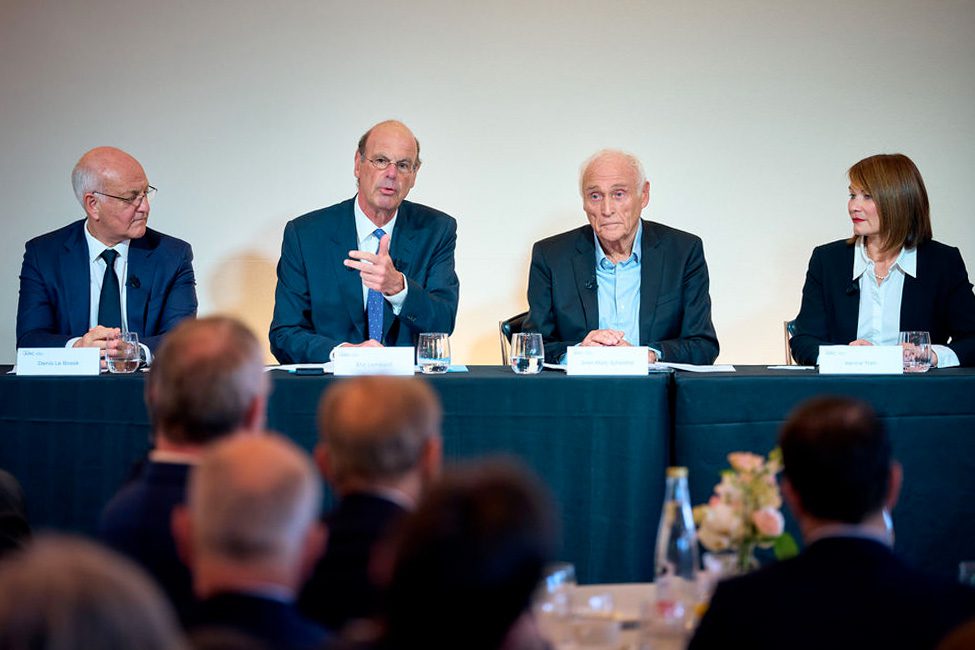
On Thursday, May 15, 2025, Cabinet ARC had the pleasure of welcoming Éric Lombard, Minister of Economy, Finance and Industrial Sovereignty, to our breakfast debate hosted by Jean-Marc Sylvestre.
This was an opportunity for the Minister to discuss current economic affairs and the latest findings from the ARC/IFOP barometer.
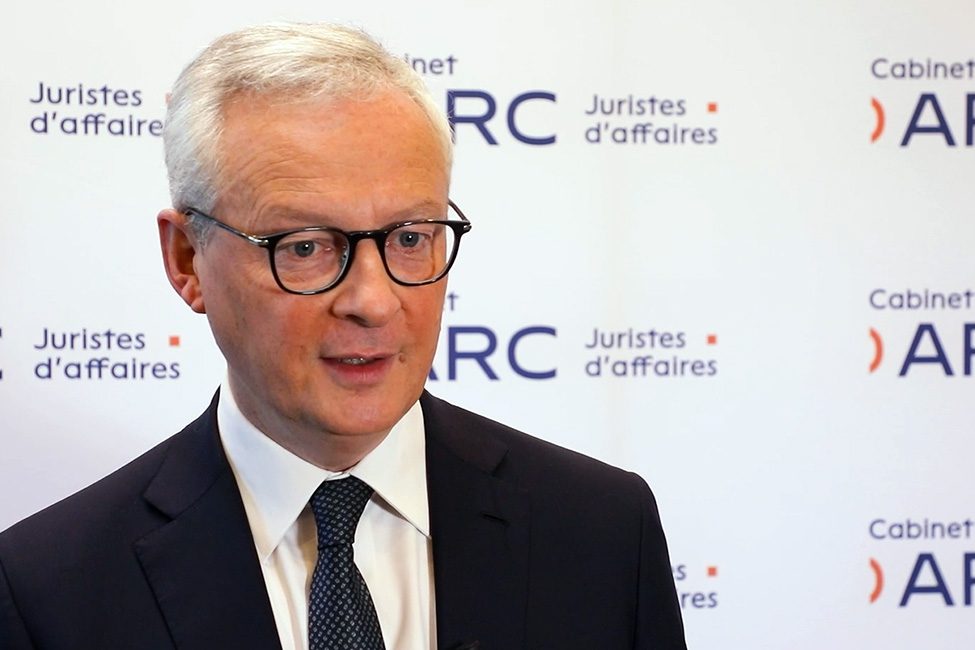
Bruno Le Maire, Minister of Economy, Finance and Industrial and Digital Sovereignty, was our guest on Tuesday, October 24, 2023. During this breakfast debate hosted by Jean-Marc Sylvestre, the Minister notably addressed the question: How can we sustainably protect ourselves against inflation?
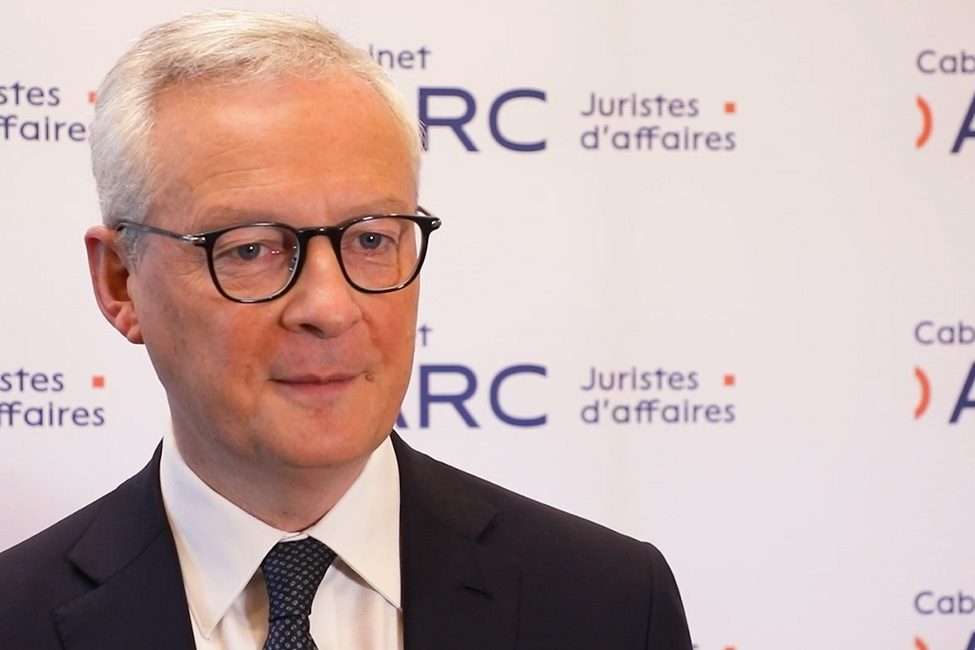
Bruno Le Maire, Minister of Economy, Finance and Industrial and Digital Sovereignty, was our guest in October 2022 focusing on the theme “How to protect ourselves against the crisis?” He specifically discussed our proposal regarding the scoring of payment terms.
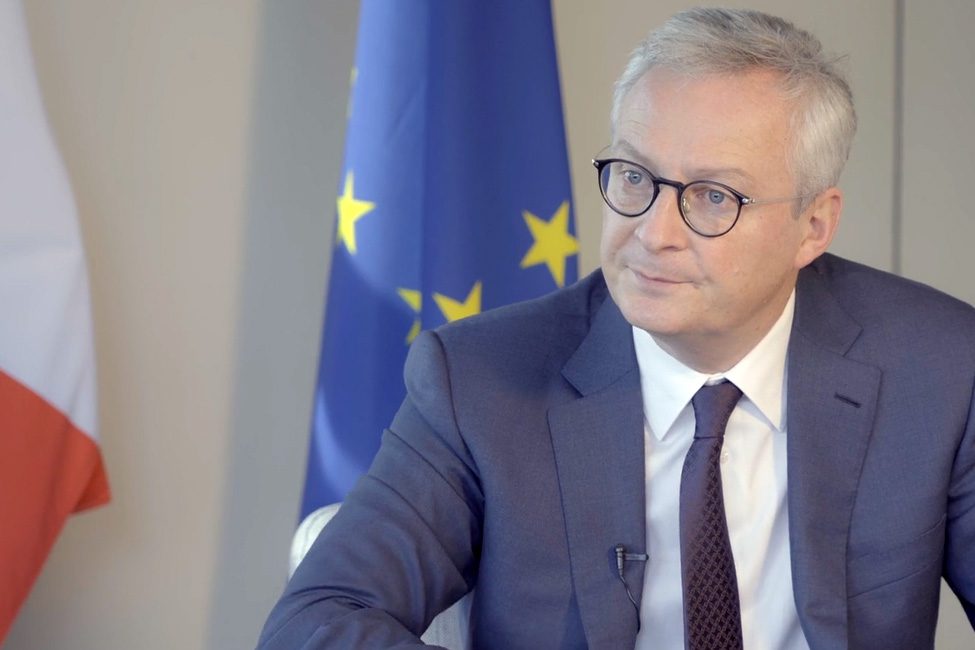
Bruno Le Maire, Minister of the Economy, Finance, and Economic Recovery, was a guest on the webinar “ Cabinet ARC ,” which took place on Tuesday, October 20, 2020. Read his comments and analysis on the key findings of the “ Cabinet ARC ” survey regarding payment terms during the COVID-19 crisis.

The President of MEDEF was the guest at our breakfast debate on October 22, 2019, hosted by Jean-Marc Sylvestre on the theme: “How to strengthen French industry and prepare the 21st-century business? ”.
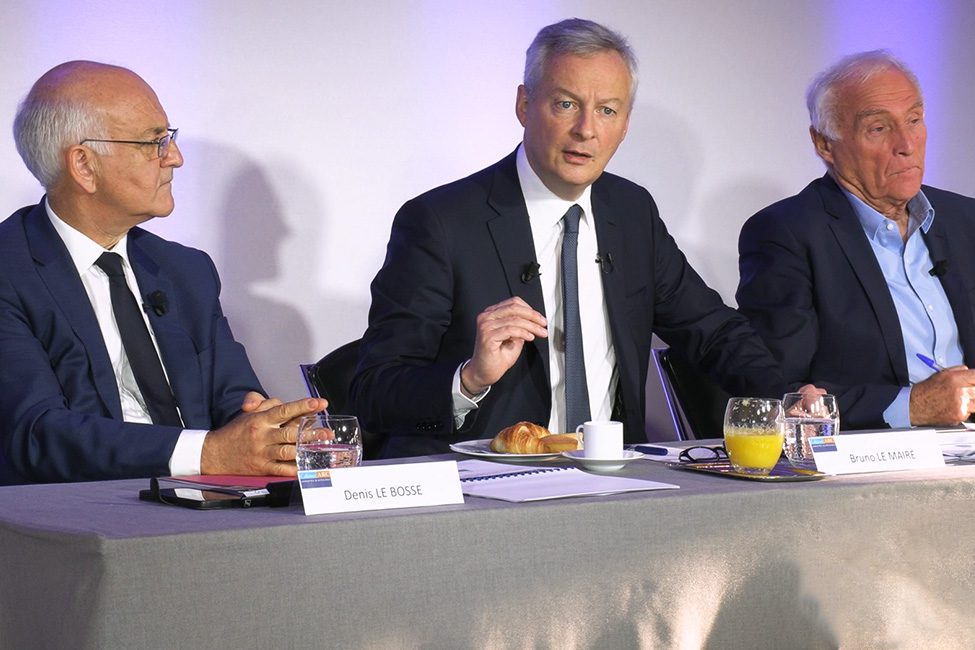
On Tuesday, October 3, 2017, the “ Cabinet ARC ” hosted Bruno Le Maire, Minister of the Economy and Finance, for its breakfast forum titled “What Is the Outlook for Businesses in 2018?” The event provided Mr. Le Maire with an opportunity to comment on the results of the Cabinet ARC/IFOP survey and to make key announcements regarding the optimization of payment terms.

At a breakfast forum organized by the “ Cabinet ARC ” in October 2012, Michel Sapin, Minister of Finance, addressed the issue of the French economy’s prospects for recovery.
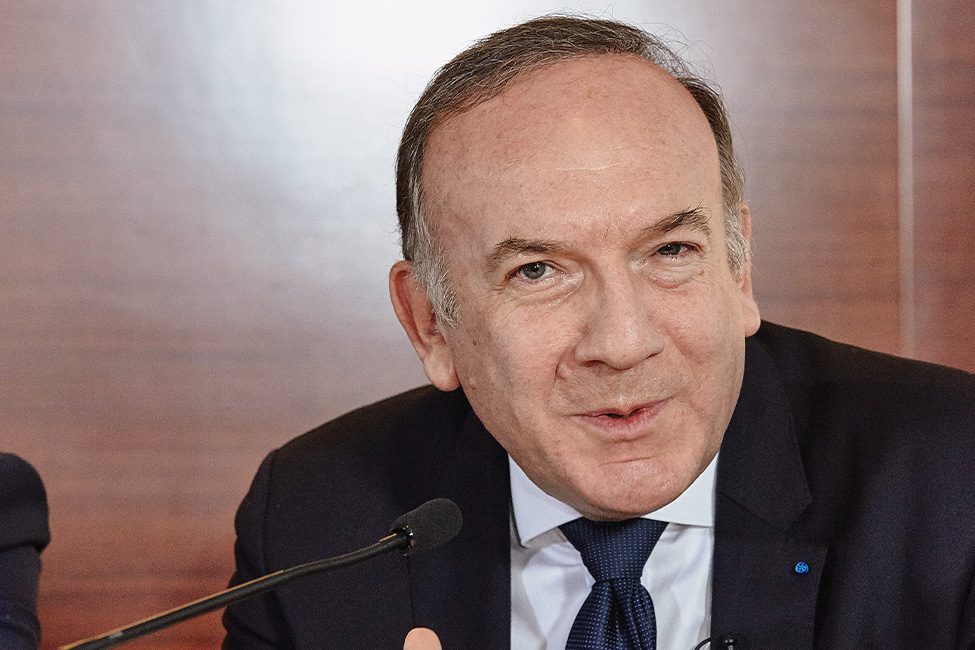
Pierre Gattaz was speaking on the issue of payment terms, which was raised during the presentation of the “ Cabinet ARC/IFOP Barometer” on November 18, 2015.
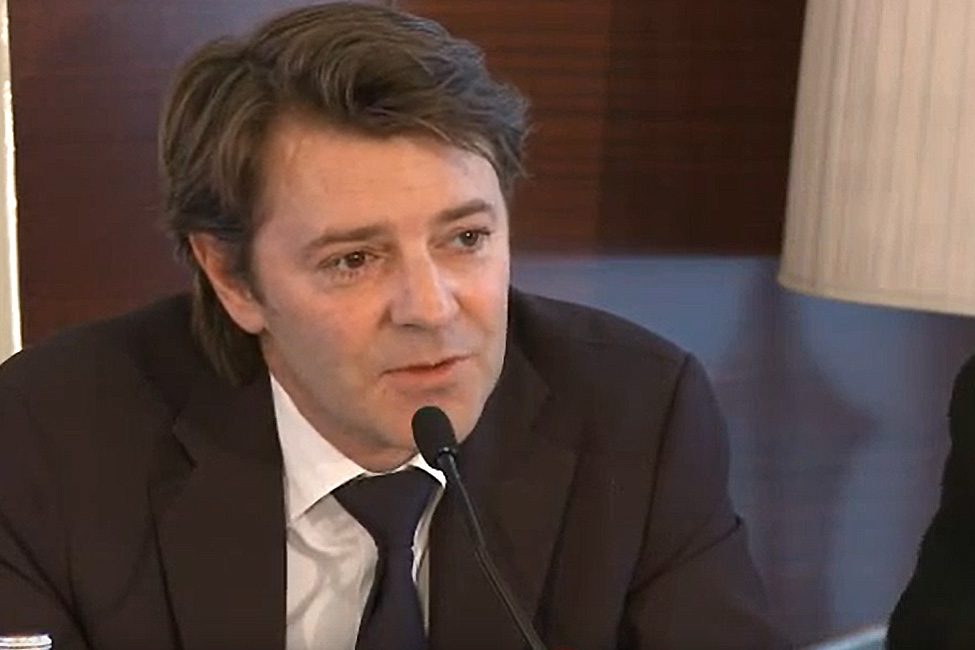
François Baroin, former Minister of the Economy and Finance, was the guest speaker at the “ Cabinet ARC ” breakfast forum in April 2013. He shared his insights on how to emerge from the economic crisis, focusing in particular on the three sources of public spending.

“ Cabinet ARC has recognized legal expertise and is highly adept at finding solutions.”

Learn about the main pillars of the economic policy advocated byBruno Le Maire, former Minister of the Economy and Finance and guest speaker at the breakfast forum hosted by the “ Cabinet ARC ” on October 3, 2017.
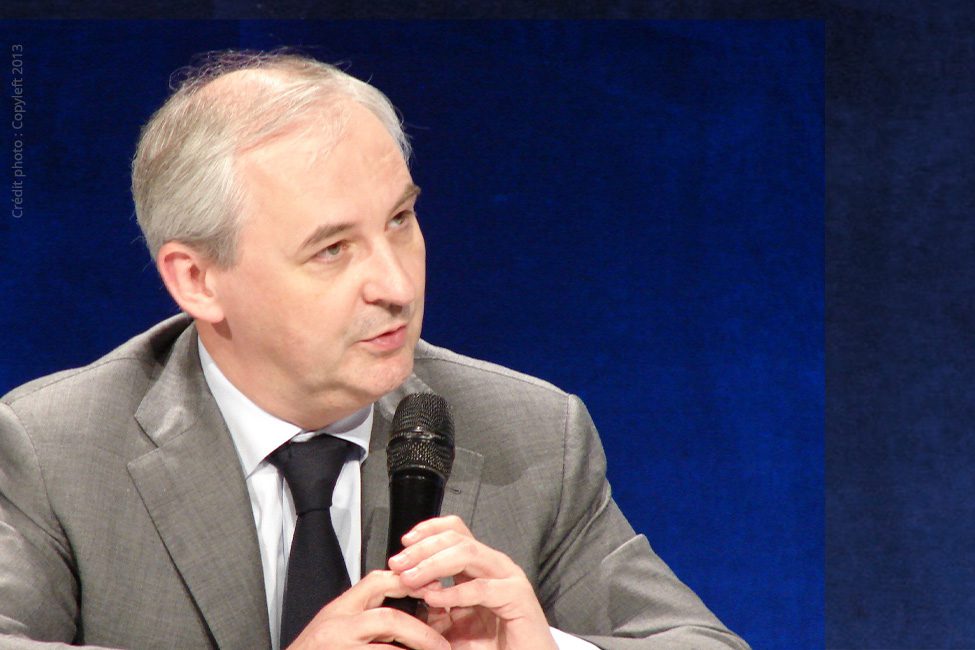
On Tuesday, November 18, 2015, the “ Cabinet ARC ” hostedFrançois Pérol, Chairman of the Executive Board of the BPCE Group, for its breakfast discussion titled“How to Convince Your Banker?” The event provided Mr. Pérol with an opportunity to comment on theresults of the annual “ Cabinet ARC ”/IFOP survey.

On Tuesday, November 19, 2013, the French Business Forum ( Cabinet ARC ) hosted Louis Gallois for its breakfast discussion titled “How Can We Regain Competitiveness?”
This meeting provided Mr. Gallois with an opportunity to comment on the results of the annual Cabinet ARC/IFOP survey on debt collection.

During his invitation to the breakfast debate, René Ricol, Credit Mediator and General Commissioner for Investment, stated: "The real challenge is to fight against this incredible urge to make money very quickly".

Hervé Novelli, former Secretary of State for Trade, Craft Industry, SMEs, Tourism, Services, and Consumer Affairs, shares his perspective on economic programs and the missing elements needed to boost the competitiveness of French companies.




To get a free, no-obligation quote, please fill out the form below.
Our legal experts will review your debt collection request and get back to you as soon as possible.
Customer satisfaction
8.5 / 10
In 2024, Cabinet ARC successfully recovered 82% of the debts entrusted to it, representing €1,200,000,000 in additional cash flow for our clients.
Customer Satisfaction Survey - 2025
One of the tasks we assigned to the DGCCRF is to increase the monitoring of payment deadlines in order to penalize companies that do not play by the rules.

We need to work on this idea of rating payment terms, which was suggested to me by the web Cabinet ARC.

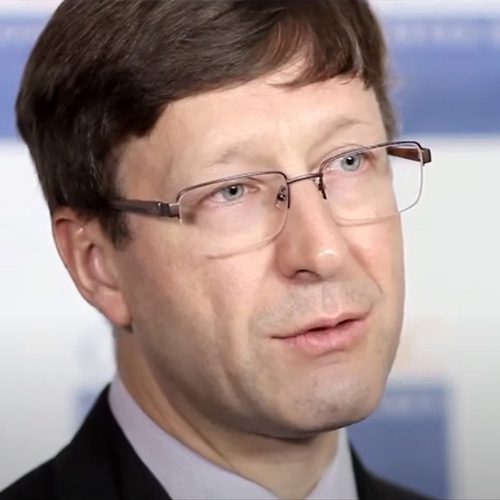

Laurent Lemaire
Credit Director
"The preliminary step of defining and identifying attachable assets is, as far as I know, unique to Cabinet ARC. We have not seen this anywhere else, and I believe it adds tremendous value."
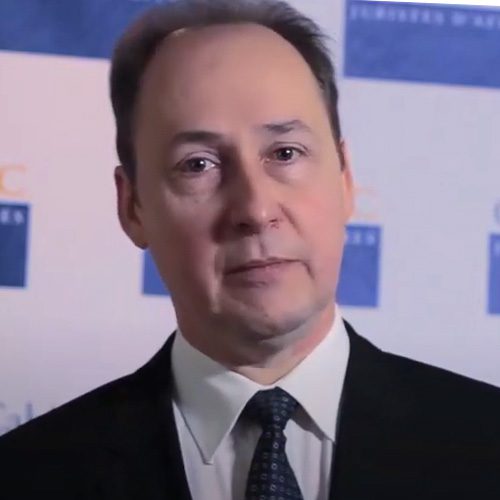

Paul Haman
Credit Management Director
The firm's key strengths in this context are its expertise. You can immediately tell that the firm's team members are extremely knowledgeable in their field…

Sophie Milliot
Administrative and Financial Director
"We face many challenges related to the quality of our invoices and getting them paid. That is why I called on Cabinet ARC to help us speed things up."
Christophe Ferrie
Credit Manager
“The strengths of our collaboration with the Cabinet ARC —I’d summarize them, I’d say, in three instances of the same letter, the letter P:Pforprofessional, because there’s a lot of technical expertise and a strong presence. P also for…”


Jean-Richard Tessier
Administrative and Financial Director
"Cabinet ARC is extremely fast. They know how to reach out to us instantly when a quick decision needs to be made, and they know how to find the right decision-makers."
Jérôme Mandrillon
Credit Director
“But what really impressed me was the legal expertise of the firm Cabinet ARC , which knows how to follow the proper procedures, file the appropriate preliminary injunctions—as they explained—and ensure a quick return of funds.”
See all media coverage of the Cabinet ARC

Denis Le Bossé is interviewed by Hedwige Chevrillon and discusses the rise in payment delays

BFM Business
Published on June 24, 2026
Denis Le Bossé, President of the Cabinet ARC, is the economic guest on France Info

France Info
Published on May 28, 2025
Kérine Tran discusses fines for late payments

France 2
Published on August 1, 2019

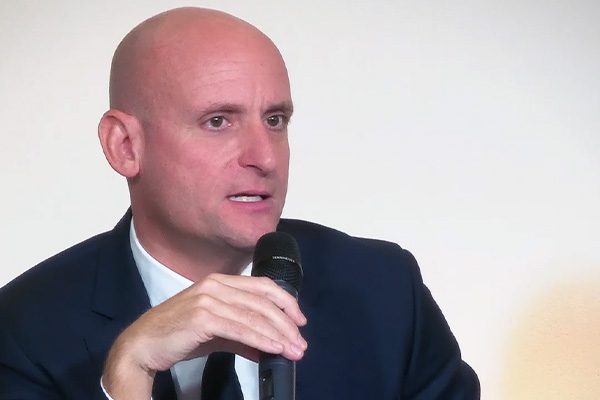





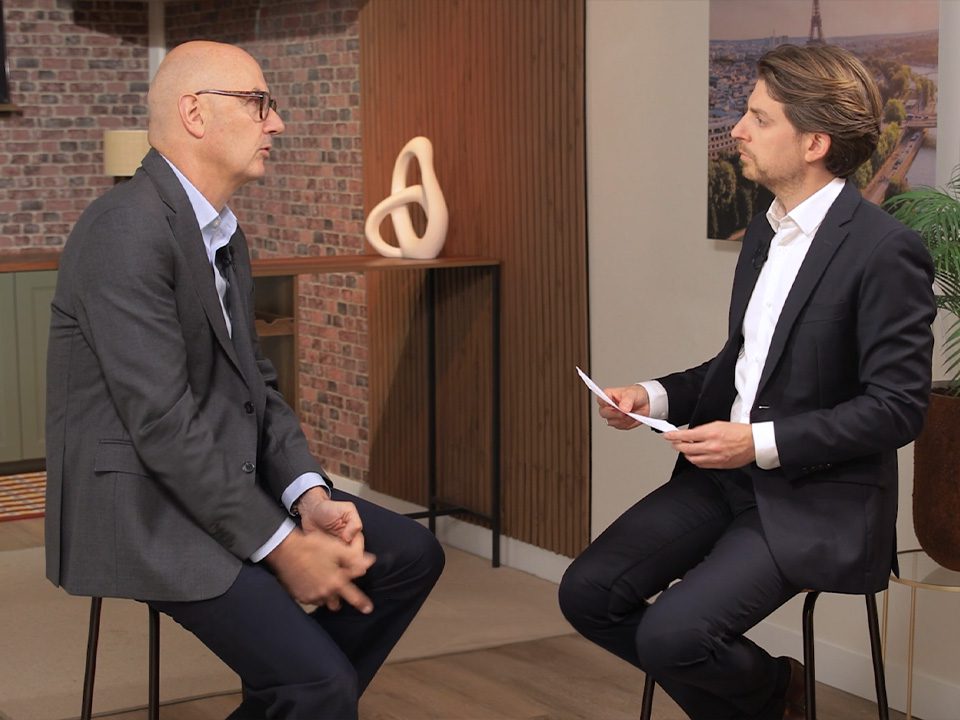
The Minister of the Economy, Finance, and Industrial, Energy, and Digital Sovereignty analyzes the results of the June 2026 “ Cabinet ARC ”–IFOP Barometer. While our 2026 Barometer highlights an increase in payment terms to 18.9 days—a level not seen in twelve years—Roland Lescure offers...
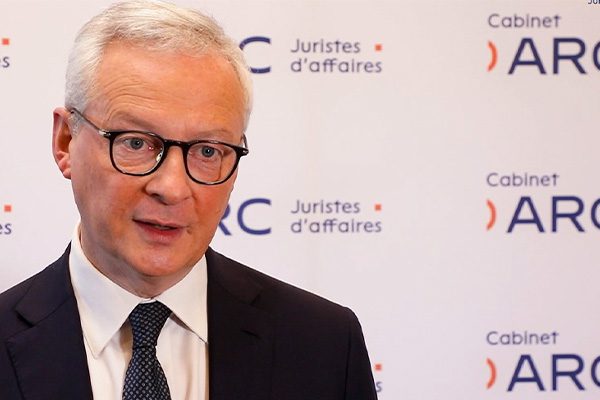
French companies continue to face an unprecedented lack of visibility: our 2026 “ Cabinet ARC ” (IFOP) Barometer indicates that cash flow management remains a top concern for executives. Payment terms continue to lengthen, reaching a 12-year high, as companies await the impact of a few encouraging signs...
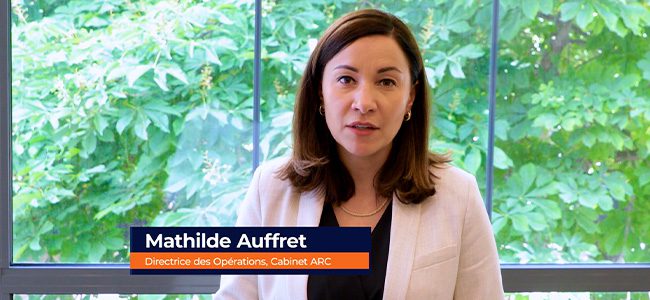
In response to the concerning increase in payment delays, the Minister of Economy is considering stricter penalties. He also acknowledges the public sector's difficulty in leading by example. Longer payment delays are worrying businesses, as shown by the latest ARC-Ifop barometer figures: 17.3 days late...

May 2025
Éric Lombard
How can we restore growth?
Subscribe to receive our latest news and invitations to exclusive events
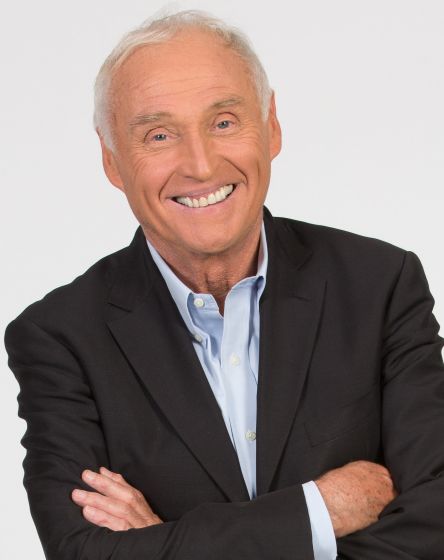

Edition of March 31, 2026
Town halls are poor payers and struggle to explain why they pay their private suppliers so late and so poorly.

Discover the details of our partnership with In Extenso, a leading accounting firm in France, presented at the 2023 In Extenso annual convention.

Our TV commercial highlights real-life situations that entrepreneurs face every day. Listen to our other radio ads »

We are proud to support Matteo Codaccioni, winner of the U25 category of the Stellantis 208 Cup following an exemplary season. His move in 2026 to the higher category with the official Peugeot team reflects a strong and ambitious career path—values that we fully share.
Read the press article